Your driveway is one of the first things people notice about your property. A smooth, well-maintained surface not only looks great but also adds to your home's value. However, over time, cracks and potholes can appear, turning your pristine driveway into a bumpy, hazardous mess. These issues aren't just unsightly; they can damage your vehicle's suspension and pose a tripping hazard.
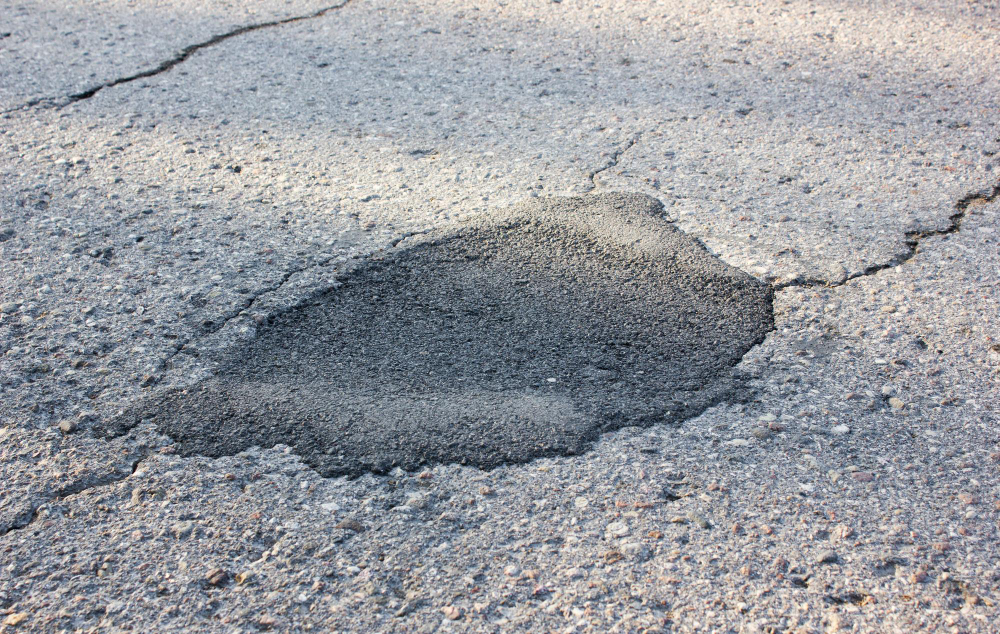
Understanding what causes potholes is the first step toward preventing them. Potholes form when water seeps beneath the asphalt surface through small cracks. As temperatures fluctuate, this water expands and contracts, weakening the underlying soil and pavement. The constant pressure from vehicles driving over these weakened spots causes the asphalt to break down, eventually creating a pothole.
Fortunately, you don't have to wait for your driveway to become a minefield of craters. With proactive maintenance and a few preventative measures, you can significantly extend the life of your asphalt and keep it looking its best. This guide will walk you through the essential steps to prevent potholes and explain when it's time to call in the professionals for asphalt repairs in Daytona Beach, FL.
Before you can effectively prevent potholes, it's important to understand the primary factors that contribute to their formation. It's a combination of water, traffic, and time.
Water is the main culprit behind most potholes. When rain or moisture penetrates the asphalt through existing cracks, it erodes the base layer that supports the pavement. In colder climates, this water freezes and expands, a process known as frost heave, which pushes the pavement upward. When the ice thaws, it leaves a void beneath the asphalt. The weight of vehicles then causes this weakened area to collapse, forming a pothole. Even in warmer areas like Florida, consistent water intrusion can wash away the sub-base material, leading to the same result.
The constant stress from vehicles driving over your driveway contributes to wear and tear. The heavier the vehicle, the more strain it puts on the asphalt. Over time, this pressure can cause minor cracks to form and existing ones to widen. When these cracks allow water to get in, the pothole-forming cycle begins. Parking heavy vehicles like RVs or commercial trucks in the same spot for extended periods can also accelerate this process.
Like anything else, asphalt deteriorates with age. Exposure to the sun's UV rays causes the asphalt binder—the glue that holds the aggregate together—to oxidize and become brittle. This makes the surface more susceptible to cracking. As the driveway ages, it loses its flexibility, and small fissures can quickly turn into major problems that require professional attention.
Preventing potholes is much easier and more cost-effective than repairing them. By adopting a regular maintenance routine, you can protect your investment and keep your driveway in excellent condition for years to come.
Regularly cleaning your driveway is a simple but crucial step. Debris like leaves, dirt, and grass clippings can trap moisture against the asphalt surface, promoting water penetration. Chemical spills, such as oil, gasoline, or antifreeze, can also soften and break down the asphalt binder.
Small cracks are the gateways for water. Inspect your driveway for cracks every few months, especially after heavy rain or significant temperature changes. Addressing these cracks as soon as they appear is one of the most effective ways to prevent potholes.
For minor cracks (less than a quarter-inch wide), you can use a DIY asphalt crack filler available at most hardware stores. Make sure to clean the crack thoroughly before applying the sealant to ensure a strong bond. For larger, more complex cracks, it's often best to seek professional asphalt repairs in Daytona Beach, FL, to ensure they are properly filled and sealed.
Poor drainage is a major contributor to pothole formation. If water pools on your driveway or along its edges, it will eventually find a way to seep underneath the pavement.
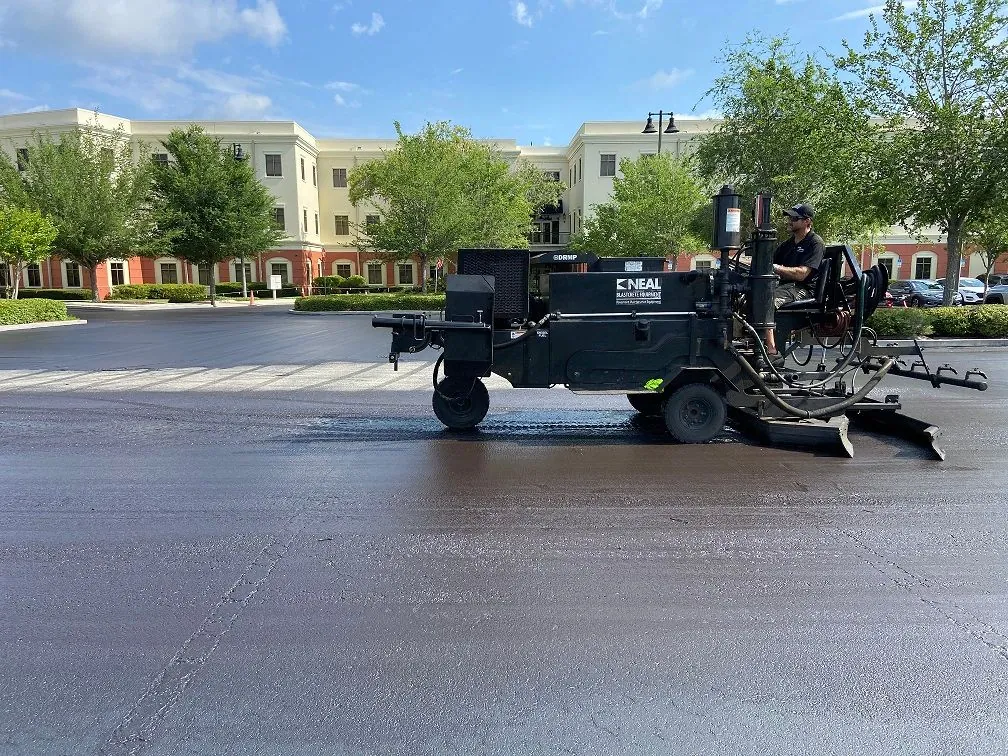
Sealcoating is a protective layer applied to the asphalt surface. It acts as a barrier against water, UV rays, and chemical spills, effectively preserving the integrity of the asphalt binder. A quality sealcoat can dramatically extend the life of your driveway and maintain its rich, black appearance.
While some homeowners choose to apply sealant themselves, professional application ensures even coverage and the use of high-quality materials. A professional will also properly clean and prep the surface, including filling any cracks, which is essential for the sealcoat to be effective. For residents in the Daytona Beach area, regular sealcoating is a wise investment against the harsh Florida sun and heavy rains.
While your driveway is built to handle vehicles, excessive weight can cause damage. Avoid parking very heavy vehicles, like construction equipment or large moving trucks, on your driveway for long periods. If you must, try to distribute the weight or park in different spots to minimize stress on any single area.
While DIY maintenance can go a long way, some issues require professional expertise. Ignoring significant damage can lead to more extensive and costly repairs down the line.
You should consider calling a professional for asphalt repairs in Daytona Beach, FL, if you notice:
Your driveway is a significant part of your home's curb appeal and functionality. By taking proactive steps to prevent potholes—keeping it clean, sealing cracks, ensuring good drainage, and applying a regular sealcoat—you can avoid costly repairs and enjoy a smooth, beautiful surface for years.
If your driveway has already started to show signs of serious wear and tear, don't wait for the problem to get worse. For homeowners needing reliable and professional asphalt repairs in Daytona Beach, FL, the experts at Florida Sealcoating are here to help. We offer comprehensive solutions, from crack filling and patching to complete sealcoating services. Contact us today for a free estimate and let us restore the safety and beauty of your driveway.
Get a free, no-obligation estimate for your asphalt project. Our team is ready to help protect and enhance your property.
(407) 942-3681