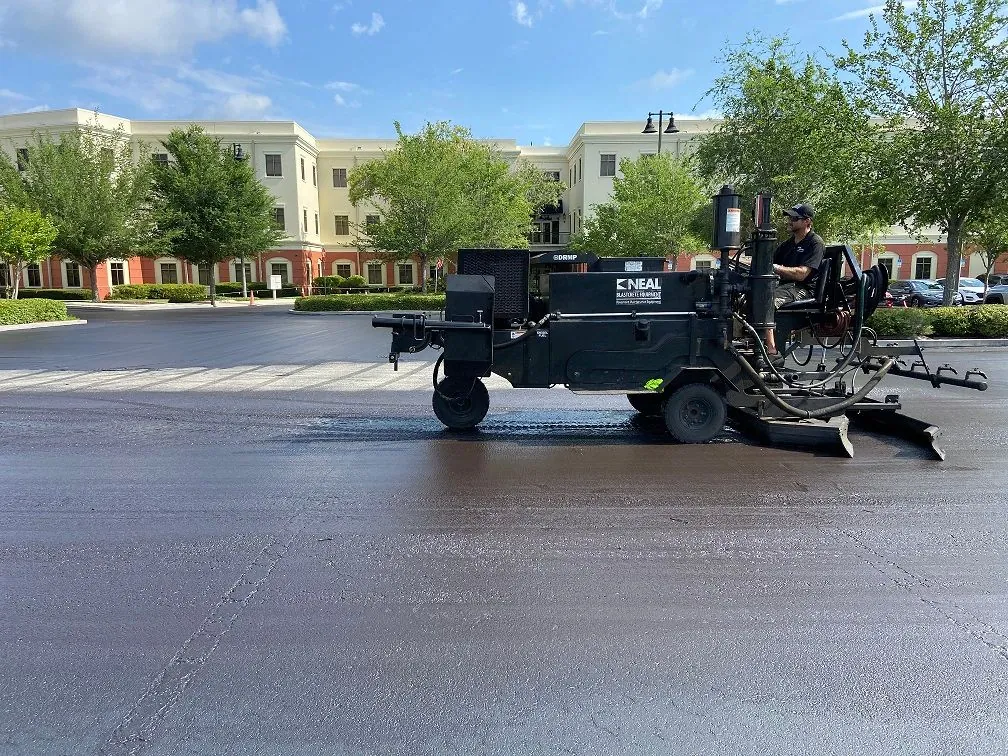
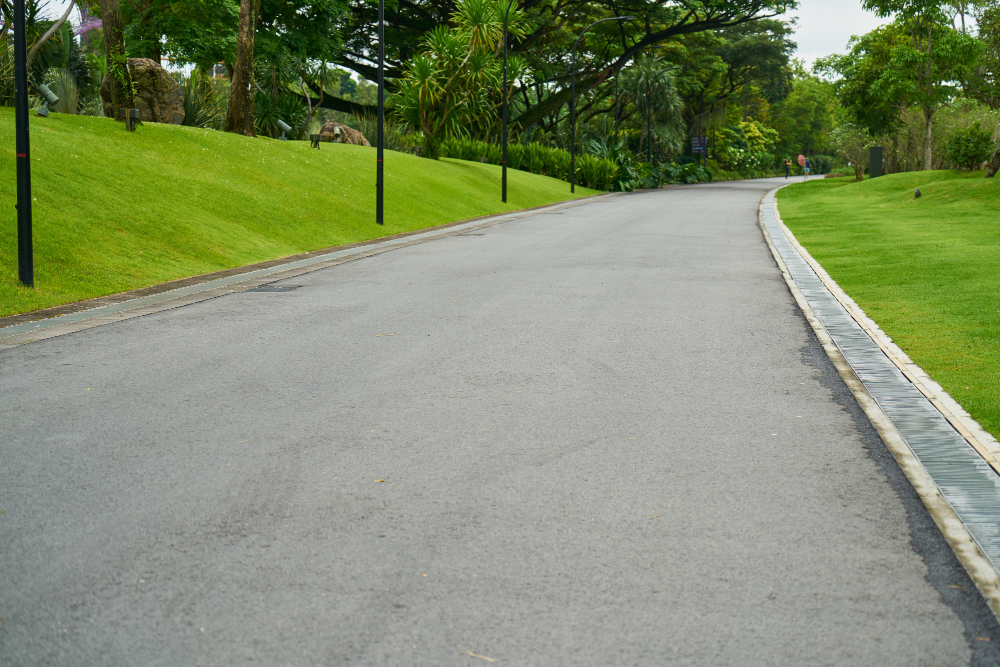
Living in Central Florida means we get to enjoy beautiful weather year-round, but that same sunshine and seasonal rain can be tough on our homes. One part of your property that takes the brunt of the elements is your driveway or parking lot. Whether you are looking to freshen up your curb appeal or you need a brand-new surface for a commercial property, tackling a paving project is a big investment.
When considering paving in Sanford FL, you aren't just picking a color or material; you are engineering a surface that needs to survive high humidity, intense UV rays, and the weight of your vehicles. At Florida Sealcoating, we know that a well-paved driveway does more than just look good. It protects your vehicle's tires, improves drainage, and adds significant value to your property.
This guide will walk you through everything you need to know to make the best choice for your home, from materials and costs to maintenance tips that will keep your pavement looking fresh for years.
You need to prioritize the local climate, soil conditions, and municipal regulations before pouring a single drop of asphalt or concrete.
The Central Florida Climate
Sanford’s weather is unique. We have long, scorching summers and a wet season that brings daily thunderstorms. Why does this matter? Asphalt absorbs heat, which can make it soft and pliable on those 95-degree days. Conversely, heavy rains can wash out the base layer beneath your pavement if drainage isn't planned correctly. You need a solution that can expand and contract with the temperature changes without cracking.
Soil Composition
Much of the ground here in Seminole County is sandy. Sandy soil drains well, which is a positive, but it can also shift easily. If the ground isn't properly compacted before paving, your new driveway could settle unevenly, leading to sinking or cracking.
Permits and Rules
Don't forget the paperwork. Most significant paving projects in Sanford require a permit to ensure the work meets city codes, especially regarding drainage and how your driveway connects to the public road. Skipping this step can lead to fines or being forced to redo the work.
The best material for your project depends entirely on your budget, your aesthetic preference, and how much maintenance you are willing to handle.
Here is a breakdown of the three most common options:
Asphalt is a popular choice for larger driveways and parking lots because it is cost-effective and flexible.
Concrete offers a classic, clean look and exceptional durability.
Interlocking pavers provide a high-end look with endless design possibilities.
While every job is unique, most homeowners can expect to pay anywhere from $3 to $15 per square foot depending on the material chosen.
Understanding the cost breakdown helps you budget effectively:
Hidden Costs to Watch For
The quote on the paper isn't always the final story. Site preparation is a major factor. If your contractor needs to remove old concrete, excavate tree roots, or bring in extra fill dirt to level out that sandy Florida ground, your labor costs will increase. Always ask if site prep is included in your estimate.
You should look for a locally established company with valid insurance, proper licensing, and a portfolio of completed projects in your specific neighborhood.
Hiring the right team is just as important as choosing the right material. Here is what to look for:
Regular cleaning and timely sealcoating are the two most effective ways to extend the lifespan of your pavement and protect your investment.
Think of maintenance as preventative medicine for your driveway.
A new driveway or parking lot is a major improvement that boosts your property value and makes your home more welcoming. By understanding the challenges of paving in Sanford, FL—from the sandy soil to the intense sun—you can choose materials that will stand the test of time.
Don't let the heat or the rain ruin your hard work. Make sure you have a maintenance plan in place to keep that surface smooth and safe.
Ready to start your project?
Whether you need a new installation or want to protect your existing driveway, we are here to help. Contact Florida Sealcoating today for a free estimate and let us help you pave the way to a better-looking home.
Get a free, no-obligation estimate for your asphalt project. Our team is ready to help protect and enhance your property.
(407) 942-3681