
The best type of road surfacing pavement for heavy fleets in Florida depends on your specific traffic. Roller-compacted concrete (RCC) offers the highest durability for 18-wheelers, while heavy-duty hot-mix asphalt provides a flexible, cost-effective alternative. Commercial property managers must match the pavement to axle loads and Florida's extreme heat to prevent rutting.
You manage a commercial property in Central Florida, and your pavement takes a beating every single day. Constant 18-wheeler traffic destroys weak surfaces quickly, leaving you with massive potholes and expensive repairs. Require a durable solution right now? Contact Florida Sealcoating LLC at (407) 942-3681 for a free estimate.
The right type of road surfacing pavement keeps your logistics center running smoothly, even through our brutal 90-degree summers and heavy afternoon storms. Let's look at the best options for your facility.
How Do Heavy Fleets Damage Florida Pavements?
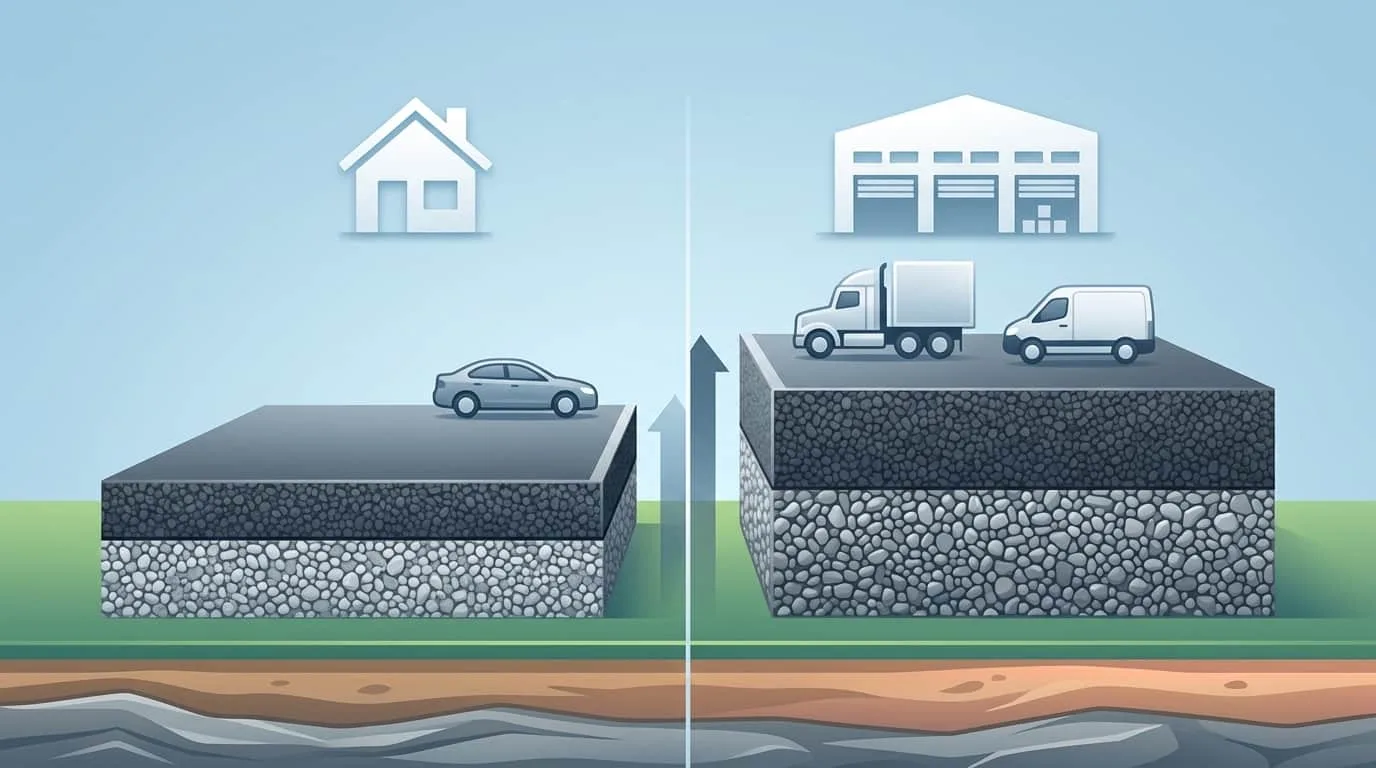
Heavy fleets damage pavements through repetitive stress, immense axle loads, and braking forces. An 18-wheeler exerts up to 80,000 pounds of pressure on the surface. In areas like Daytona Beach or Orlando, the extreme summer heat softens standard materials, causing deep ruts where trucks brake and accelerate constantly.
A strong sub-base is the foundation of any durable surface. Without it, the constant weight distribution will crack the top layer within months. Your pavement needs proper engineering to handle the unique stress of commercial logistics.
Is Hot-Mix Asphalt the Best Pavement for Fleets?
Hot-mix asphalt (HMA) is an excellent, cost-effective choice for fleets if you use a heavy-duty mix design. Standard Asphalt Paving costs $3 to $5 per square foot and offers great flexibility and noise reduction. However, standard mixes are highly sensitive to Florida's heat.
If you run a busy warehouse, you need a robust aggregate mix to prevent rutting and fatigue cracking under extreme loads. Proper drainage is just as critical, especially with our high water tables. Water trapped under asphalt will destroy the base layer quickly.
When Should You Use Portland Cement Concrete?
Portland Cement Concrete (PCC) is ideal for loading docks and high-stress areas because of its incredible stiffness. It easily supports 80,000-pound trucks without rutting and lasts 20 to 30 years. The downside is the initial cost, which often exceeds $6 per square foot.
Concrete takes much longer to cure than asphalt. You also have to plan joints carefully to handle thermal expansion during Florida's hot summers. If you do not prepare the subgrade perfectly, the concrete slabs will pump and crack under heavy traffic.
Why Choose Roller-Compacted Concrete for Logistics Centers?
Roller-compacted concrete (RCC) gives you the strength of concrete with the faster installation speed of asphalt. We place this dry concrete mix using standard paving equipment. It costs 15% to 30% less than traditional PCC and handles heavy fleet traffic effortlessly.
We recently completed a massive distribution center near Lake Nona. Our trip log showed 40 trucks delivering specialized heavy-duty material over three days. We laid down a thick RCC base to handle constant 18-wheeler traffic. The client needed a surface that wouldn't rut under the weight of idling trucks. RCC provided the perfect solution. The surface is slightly less smooth, but for an industrial park, strength matters more than a perfect ride.
Can Composite Pavements Handle 18-Wheeler Traffic?
Yes, composite pavements combine a strong concrete base with a smooth asphalt overlay to handle extreme traffic. This gives you excellent load-bearing capacity and a quiet, smooth ride. It is a common way to extend the life of aging concrete infrastructure across Central Florida.
We often see reflective cracking where the underlying concrete joints show through the asphalt. Proper engineering and quality materials prevent this issue. A well-built composite surface gives your fleet the best of both worlds.
What Are the Key Considerations for Florida Properties?
Traffic volume, soil conditions, and our brutal climate dictate your pavement choice. Florida's sandy soils require extensive subgrade preparation. You also have to factor in UV radiation, hurricane impacts, and local DOT specifications.
Choosing the correct type of road surfacing pavement means balancing initial costs against a 20-year lifecycle. We provide asphalt and sealcoating in Daytona Beach specifically engineered to withstand coastal salt air and heavy commercial use. Matching the material to your specific location saves you thousands in future repairs.
How Do You Maintain Heavy-Duty Pavement?
You maintain heavy-duty pavement through routine inspections, crack sealing, and regular surface treatments. A proper maintenance plan extends your pavement life by 300% and prevents costly full replacements.
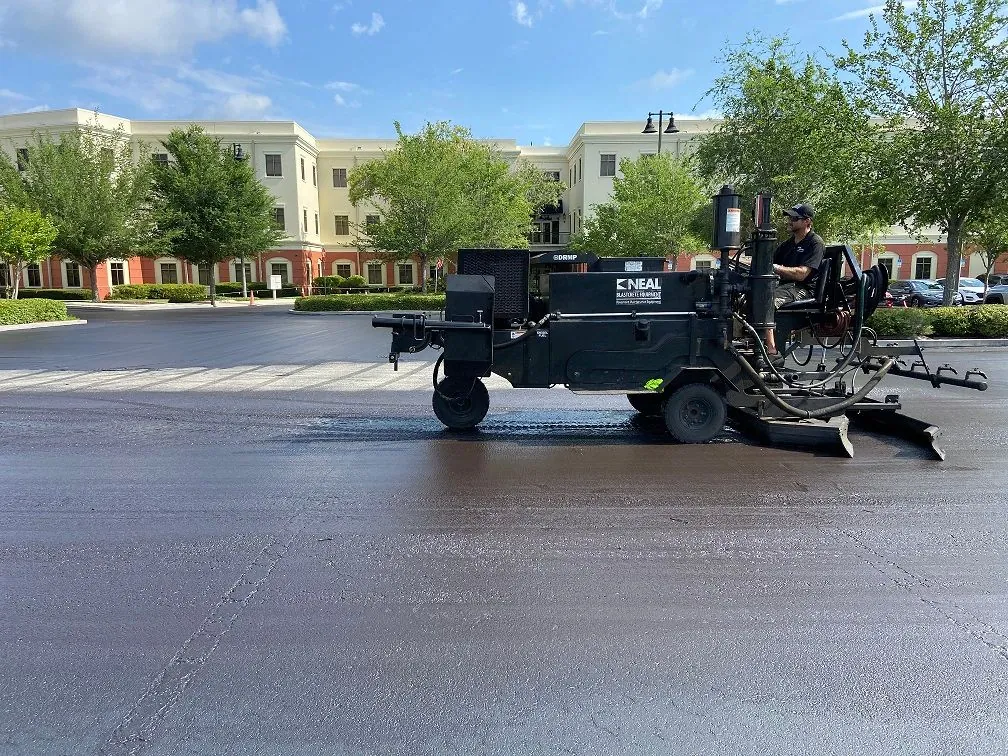
Based on the 8,000+ customers we have served, we know that applying professional Sealcoating every 2 to 4 years blocks UV rays and water. Our technicians find that properties skipping this step see failure twice as fast. A local expert from Florida Sealcoating LLC can design a plan tailored to your specific traffic loads.
Ready to Upgrade Your Commercial Pavement?
Don't let failing pavement slow down your fleet operations. We have the equipment and local expertise to build a surface that handles your heaviest traffic. Call Florida Sealcoating LLC at (407) 942-3681 for a free, no-obligation estimate today.