Most Orlando parking lots do not need to be torn out. If the damage is scattered cracks, a pothole or two, or normal wear sitting over a base that still holds, asphalt repairs get the job done. When the cracking has spread wide or the base itself has failed, replacement is the honest call. Florida Sealcoating has walked hundreds of Orlando lots and can tell you which one yours is. Call us at (407) 942-3681 or reach out here before the damage makes the decision for you.
You know by looking at what the pavement is telling you, not by guessing. When we walk a lot, we read the traffic patterns first, where trucks turn tight and where water pools after a storm. Standing water is the biggest tell. Along the I-4 corridor, where retail centers and distribution lots see heavy truck traffic day and night, drainage problems show up fast because the base never gets a chance to dry out. Water penetration is the single biggest cause of pavement failure, and it does not need much of an opening. It gets in at the edges of the lot, through hairline cracks, and around catch basins where the asphalt meets the drain. Once water is under the surface, it undermines the base, and a sound base is what asphalt repairs actually need to hold. If the base is still solid, you are looking at a repair. If water has been working underneath for a while, the answer starts pointing toward something bigger. That is why we do not stop at the surface. We check what is happening underneath, because that decides whether repair or replacement is right for your lot.
A repair is still enough when the damage is localized and the base underneath is sound. Isolated cracks, a pothole here and there, and normal surface wear are all things we can seal or patch without touching the rest of the lot. We see this often on retail lots along International Drive, where heavy foot traffic and stop and go parking wear the surface down evenly, but the base holds up fine underneath. The test is simple. Cracks that stay separate, rather than linking up into a spreading web, mean the pavement structure is still doing its job. A pothole that formed where water pooled after a storm, but did not spread to the surrounding asphalt, is a patch job, not a project. Surface wear from years of tires and sun is cosmetic more than structural, and targeted patching brings it back without a full tear-out. When damage stays contained like this, a full replacement would be spending money on a problem repair could have solved for a fraction of the cost.
Replacement becomes the right call when the cracking is no longer isolated, it is everywhere. Interconnected cracking, the kind that looks like an alligator's back, means the pavement itself is beyond repair. We have seen this on older commercial stretches near Orange Blossom Trail, where decades of heavy trucks and buses have worked the asphalt past the point a patch can save. When that alligator pattern covers most of the lot, a simple patch will not hold. The base underneath has usually failed along with the surface, so the only real fix is milling out the old asphalt and starting over with asphalt paving from the base up. Settlement or sinking spots are a different warning sign. They point to a base problem rather than a surface one, and we do not guess at those. We excavate a few test spots first to see what is actually going on underneath before we recommend anything, because replacing a lot is a real investment and you deserve to know exactly why it is needed before you approve the work.
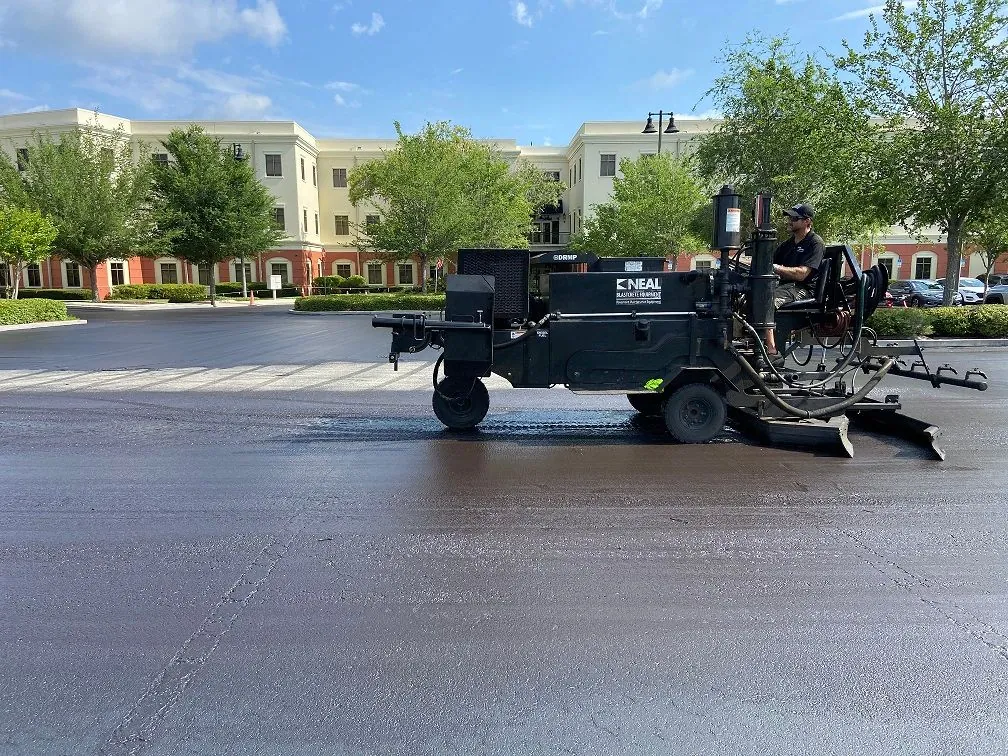
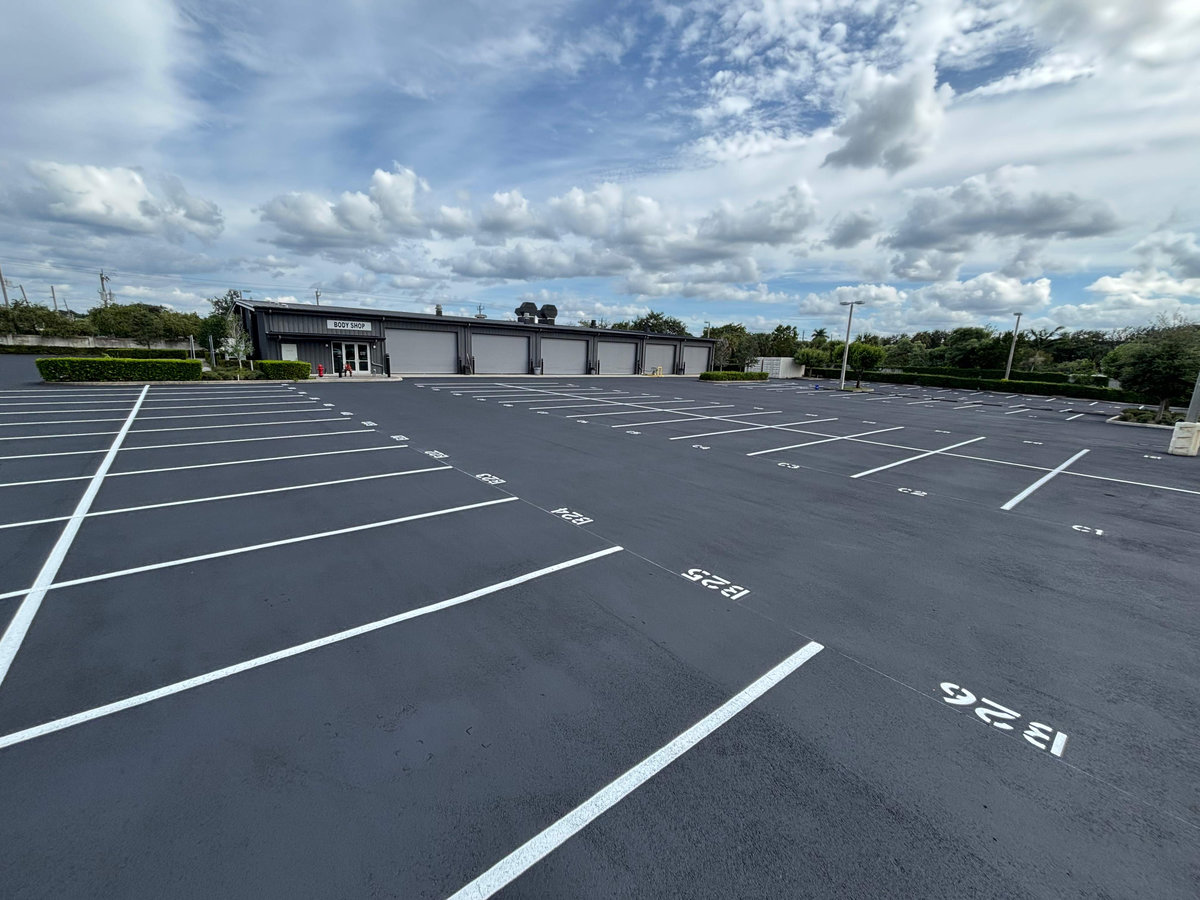
Putting it off costs you the difference between a repair bill and a replacement bill, and that gap only grows wider the longer you wait. Ignoring a cracked lot does not make the crack disappear. It gives water more time to work under the surface, and small problems spread while you wait. A patch job today can turn into a full repave in a year or two if that water keeps getting in. Once the work is done, whether it is a patch, a section repair, or a full repave, we handle the parking lot striping so the lot reopens fully marked and ready for customers or tenants the same day. That last step matters more than most owners expect. A freshly paved lot with faded or missing lines still looks unfinished, and it can raise real questions about accessible parking and fire lane markings. You do not have to guess which side of that line your lot is on. Call us at (407) 942-3681 or send a message through our contact page, and we will walk the lot with you and tell you honestly whether it needs a repair or a replacement before you spend a dollar.
Get a free, no-obligation estimate for your asphalt project. Our team is ready to help protect and enhance your property.
(407) 942-3681